Self-Guided Cycling Trips: A Comprehensive Plan
Embark on independent USA cycling adventures! Explore flexible‚ affordable tours‚ empowering you with autonomy‚ like Adventure Cycling’s approach‚ and discover the freedom of the open road.
Self-guided cycling represents a unique blend of adventure and independence‚ allowing cyclists to explore destinations at their own pace and on their own terms. Unlike traditional guided tours‚ where itineraries and schedules are predetermined‚ self-guided trips empower travelers to craft personalized experiences. This approach resonates with those seeking autonomy and a deeper connection with the landscapes they traverse.
The core philosophy‚ as highlighted by Adventure Cycling‚ centers around empowerment – enabling participants to take ownership of their journey and create a truly enjoyable and successful adventure. This isn’t simply about following a route; it’s about the freedom to linger in charming villages‚ discover hidden gems‚ and adapt plans based on personal preferences. Whether it’s the rolling hills of Tuscany or the coastal routes of Portugal‚ self-guided cycling unlocks a world of possibilities.
The Appeal of Independent Cycling Adventures
The allure of independent cycling lies in its inherent flexibility and the opportunity for authentic exploration. Cyclists aren’t bound by group dynamics or rigid schedules‚ fostering a more immersive travel experience. This freedom allows for spontaneous detours‚ extended stays in captivating locations‚ and a deeper connection with local cultures.
For many‚ the appeal extends beyond simply reaching a destination; it’s about the journey itself. Self-guided tours encourage a slower pace‚ allowing riders to fully appreciate the scenery‚ savor local cuisine‚ and engage with communities along the way. The sense of accomplishment derived from navigating a route independently‚ coupled with the physical and mental benefits of cycling‚ creates a profoundly rewarding adventure. It’s about retaining that autonomy‚ as emphasized by Adventure Cycling‚ and crafting a truly personal experience.
Benefits of Choosing a Self-Guided Tour
Opting for a self-guided cycling tour presents a compelling blend of freedom and support. While retaining independence‚ travelers benefit from pre-planned routes‚ accommodation arrangements‚ and often‚ luggage transfer services – eliminating logistical burdens. This contrasts with fully guided tours‚ offering a balance between structure and autonomy.
Cost-effectiveness is another significant advantage. Self-guided tours are frequently more affordable than their guided counterparts. Furthermore‚ they cater to diverse travel styles and fitness levels‚ allowing customization. Exploring destinations like Italy’s Dolomites or Portugal’s Minho River Valley becomes a personalized experience. Ultimately‚ a self-guided tour empowers cyclists to create a memorable adventure at their own pace‚ enjoying the open road and discovering hidden gems.
Planning Your Self-Guided Cycling Trip
Careful planning is key! Consider route selection‚ mapping tools‚ accommodation‚ and luggage transfer options to ensure a smooth and enjoyable self-guided cycling experience.
Route Selection & Considerations
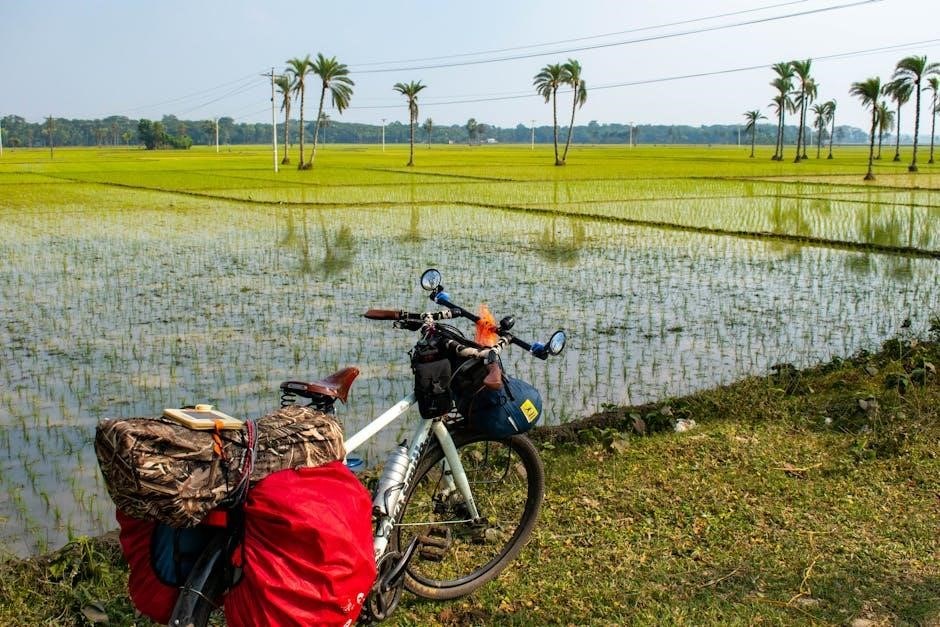
Choosing the right route is paramount for a successful self-guided cycling trip. Begin by assessing your fitness level and desired daily mileage. Consider terrain – hilly regions like Italy’s Dolomites offer stunning views but demand greater exertion‚ while Portugal’s Minho River Valley provides gentler paths.
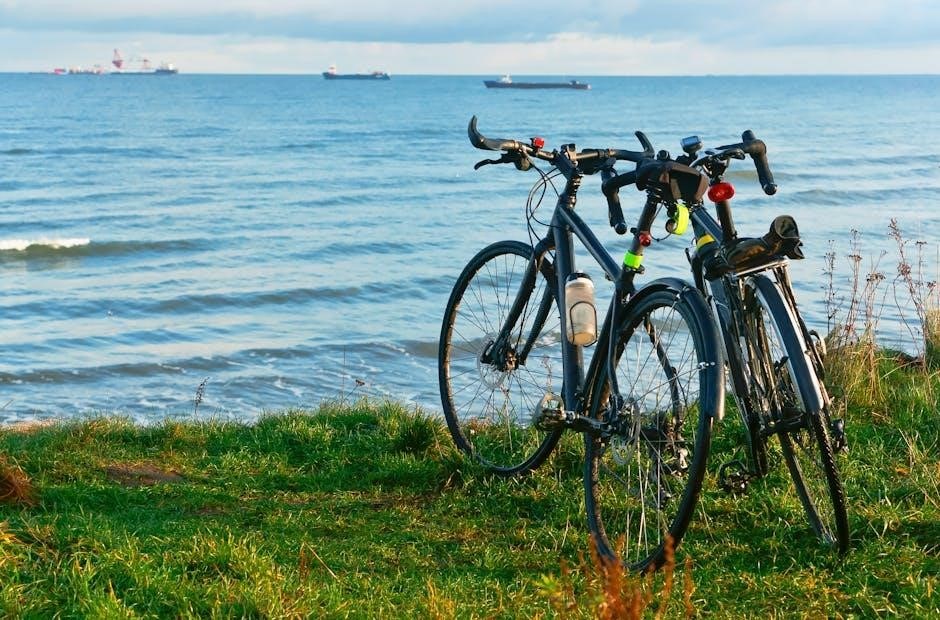
Think about the type of scenery you prefer: coastal routes‚ winding country roads‚ or challenging mountain passes. Factor in road conditions and the availability of cycling infrastructure. Don’t underestimate the daunting task of plotting a route through complex areas like Italian hill villages; thorough research is vital. Remember that independence is key‚ but realistic planning prevents frustration. Prioritize routes with accessible services and consider the time of year for optimal weather conditions.
Mapping Your Route: Tools and Resources
Several tools simplify route planning for self-guided cycling adventures. GPS devices and dedicated cycling apps are invaluable for navigation‚ offering turn-by-turn directions and tracking progress. Online mapping platforms allow pre-trip route visualization and customization.
Explore resources like Adventure Cycling Association’s maps‚ renowned for detailed cycling-specific information. Utilize digital tools to identify potential accommodation‚ bike shops‚ and points of interest along your route. Don’t rely solely on technology; carry paper maps as a backup for unexpected situations or areas with limited connectivity. Thorough route mapping ensures a smoother‚ more enjoyable experience‚ maximizing your independence and minimizing potential detours.
Accommodation Planning for Cyclists
Securing cyclist-friendly accommodation is crucial for a comfortable self-guided tour. Consider hotels‚ guesthouses‚ or B&Bs offering secure bike storage‚ ideally indoors or in a locked garage. Look for establishments providing laundry facilities to refresh cycling gear.
Booking in advance is highly recommended‚ especially during peak season or in popular destinations like Italy’s Dolomite region or Portugal’s Minho River Valley. Explore options ranging from budget-friendly hostels to more luxurious hotels‚ balancing cost with convenience. Some tour operators offer accommodation booking services as part of a larger package‚ simplifying the process. Prioritize locations near bike paths or with easy access to your planned route.
Luggage Transfer Services: Options and Costs
For a more relaxed self-guided experience‚ consider luggage transfer services. These companies transport your bags between accommodations‚ allowing you to cycle with only essentials. Several providers specialize in bike tour logistics‚ offering door-to-door service along your route.
Costs vary depending on distance‚ weight‚ and the number of bags. Expect to pay per bag‚ per day‚ with potential surcharges for remote locations or expedited service. Research different companies and compare quotes. Some self-guided tour packages include luggage transfer‚ simplifying budgeting. Weigh the cost against the convenience of not carrying heavy loads‚ especially on challenging terrain.
Essential Gear and Preparation
Prioritize bike selection and maintenance for a smooth ride. Pack wisely‚ ensuring fitness for long distances‚ and prepare a comprehensive first-aid kit for emergencies.
Bike Selection and Maintenance
Choosing the right bicycle is paramount for a successful self-guided tour. Consider the terrain – will you be tackling mountainous routes like the Dolomites‚ or smoother coastal paths in Portugal? A touring bike‚ built for comfort and carrying capacity‚ is often ideal. Hybrid bikes offer versatility for varied surfaces.
Regular maintenance is crucial. Before departure‚ a professional tune-up is highly recommended. Learn basic repairs: fixing a flat tire‚ adjusting brakes‚ and lubricating the chain. Carry essential tools – a multi-tool‚ tire levers‚ a pump‚ and spare tubes.
Inspect your bike daily during the trip. Check tire pressure‚ brake function‚ and chain lubrication. Addressing minor issues promptly prevents larger problems disrupting your adventure. A well-maintained bike ensures a safer and more enjoyable experience.
Packing List: What to Bring on Your Cycling Trip
Pack strategically for comfort and preparedness. Cycling-specific apparel is key: padded shorts‚ moisture-wicking jerseys‚ and gloves. Bring layers for varying weather conditions – a waterproof jacket is essential. Don’t forget comfortable cycling shoes and socks!
Essential gear includes a helmet‚ sunglasses‚ and sunscreen. A first-aid kit is non-negotiable (see the Safety section). Pack repair tools‚ spare tubes‚ and a pump. Consider a GPS device or cycling app for navigation.
Off-bike essentials: lightweight clothing‚ toiletries‚ a reusable water bottle‚ and a headlamp. Minimize weight – every pound counts! A dry bag protects electronics and valuables. Prioritize versatile items to streamline your packing.
Fitness Preparation for Long-Distance Cycling
Gradual training is crucial for a successful self-guided tour. Begin weeks or months in advance‚ building endurance with progressively longer rides. Incorporate hill repeats to strengthen leg muscles and improve cardiovascular fitness.
Cross-training enhances overall fitness. Swimming‚ running‚ or strength training complements cycling. Focus on core strength for stability and power transfer. Listen to your body and allow for adequate rest and recovery.
Simulate tour conditions during training. Ride with a loaded bike to get accustomed to the weight. Practice back-to-back long days to prepare for the demands of multi-day cycling. Proper nutrition and hydration are vital throughout your training regimen.
Navigating Your Route
Utilize GPS devices and cycling apps for efficient route following. Understand road signs and be prepared for unexpected changes‚ ensuring a smooth‚ independent journey.
Using GPS Devices and Cycling Apps
Modern technology is invaluable for self-guided cycling. GPS devices‚ ranging from dedicated cycling computers to smartphone apps‚ provide turn-by-turn navigation‚ track your progress‚ and record ride data. Popular apps like Komoot‚ Ride with GPS‚ and Strava offer pre-planned routes‚ offline maps‚ and the ability to create custom routes.
Before your trip‚ familiarize yourself with your chosen app or device. Download maps for offline use‚ as cell service can be unreliable in remote areas. Learn how to adjust settings for battery conservation and screen visibility. Consider a handlebar mount for easy viewing while riding. Regularly check your device’s battery level and carry a portable power bank for longer tours. Utilizing these tools enhances safety and allows for confident exploration.
Understanding Road Signs and Cycling Infrastructure
Successful self-guided cycling relies on interpreting road signs and recognizing cycling infrastructure. Familiarize yourself with common international traffic symbols‚ particularly those indicating cycle routes‚ shared paths‚ and prohibited areas. In Europe‚ look for EuroVelo routes – a network of long-distance cycle routes.
Be aware of varying road conditions and traffic laws. Some regions prioritize cycling with dedicated bike lanes or shared-use paths‚ while others require cyclists to share the road with vehicles. Understanding local regulations is crucial for safety. Pay attention to signage indicating hills‚ potential hazards‚ and points of interest. Recognizing these elements ensures a smoother‚ safer‚ and more enjoyable cycling experience.
Dealing with Unexpected Route Changes
Self-guided tours demand adaptability; unexpected route changes are inevitable. Road closures‚ detours due to construction‚ or unforeseen weather conditions can disrupt your planned itinerary. Embrace flexibility! Utilize GPS devices and cycling apps with offline map capabilities to quickly identify alternative routes.
Carry a physical map as a backup. Don’t hesitate to ask locals for guidance – they often possess invaluable knowledge of shortcuts or less-traveled paths. Be prepared to adjust daily distances if a detour adds significant mileage. Maintaining a positive attitude and viewing these challenges as part of the adventure will enhance your overall experience.
Safety and Emergency Preparedness
Prioritize road safety with essential first aid‚ and readily available emergency contacts. Be prepared for unexpected events during your self-guided cycling adventure!
Road Safety Tips for Cyclists
Prioritize visibility: Wear bright clothing and utilize front and rear lights‚ even during daylight hours. Always assume drivers don’t see you and ride defensively. Obey all traffic laws‚ including stopping at red lights and yielding to pedestrians.
Maintain awareness of your surroundings‚ scanning for potential hazards like potholes‚ gravel‚ or parked cars. Use hand signals clearly to indicate turns and stops. Be predictable in your movements.
Consider a helmet – it’s non-negotiable for many cyclists! Regularly inspect your bike for mechanical issues before each ride. Stay hydrated and alert‚ avoiding distractions like headphones. When cycling in groups‚ maintain a safe distance and communicate effectively. Remember‚ proactive safety measures are crucial for a successful self-guided tour.
First Aid Kit Essentials for Bike Tours
A well-stocked first aid kit is paramount for self-guided cycling trips. Include antiseptic wipes‚ bandages of various sizes‚ blister treatment (moleskin is excellent)‚ pain relievers‚ and gauze pads. Don’t forget adhesive tape for securing dressings.
Consider adding antiseptic cream to prevent infection‚ and safety pins for various repairs; Include any personal medications you require‚ clearly labeled. A small pair of scissors can be incredibly useful.
Learn basic first aid skills before your trip‚ focusing on wound care and recognizing signs of dehydration or heat exhaustion. Pack an emergency blanket for warmth‚ and gloves to protect yourself during treatment. Regularly check your kit to ensure supplies are not expired or missing – preparedness is key!
Emergency Contact Information and Local Support
Before embarking on your self-guided tour‚ compile a comprehensive list of emergency contacts. Include family members‚ your physician‚ and your insurance provider’s 24/7 assistance number. Save local emergency numbers – police‚ fire‚ and ambulance – for each region you’ll be cycling through.
Research local bike shops along your route; they can provide mechanical assistance and local knowledge. Share your itinerary with someone at home‚ including planned stops and estimated arrival times.
Consider a personal locator beacon (PLB) for remote areas with limited cell service. Familiarize yourself with local healthcare facilities and hospitals. Knowing where to find help‚ and having vital information readily available‚ can significantly enhance your safety and peace of mind during your adventure.
Popular Destinations for Self-Guided Cycling
Discover stunning routes! Cycle Italy’s Dolomites or Tuscan hills‚ explore Portugal’s Minho River Valley‚ or traverse Great American Trails for unforgettable adventures.
Cycling in Italy: The Dolomites and Tuscan Hills
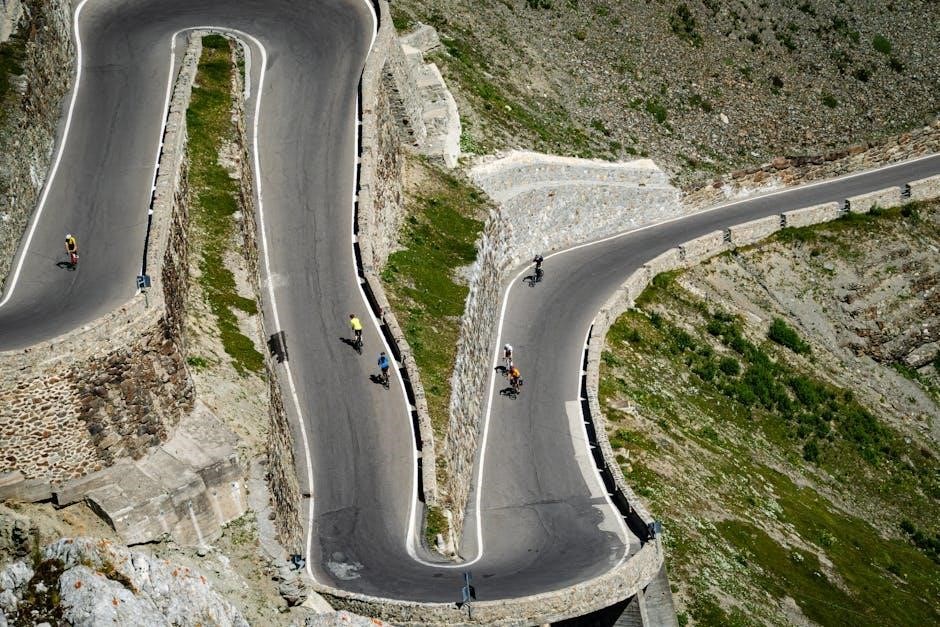
Italy beckons with diverse cycling landscapes. The Dolomites offer challenging climbs and breathtaking alpine scenery‚ perfect for experienced cyclists seeking a rewarding adventure. Imagine traversing winding roads amidst towering peaks‚ experiencing the unique culture of this UNESCO World Heritage site.
Alternatively‚ Tuscany presents rolling hills‚ vineyards‚ and charming medieval towns – ideal for a more relaxed pace. Explore cypress-lined roads‚ indulge in local cuisine‚ and soak in the region’s artistic heritage. Planning a two-wheel route through Italy’s hill villages can be daunting‚ but incredibly fulfilling.
Consider the timing‚ as June 3rd is World Bicycle Day‚ a testament to the bike’s global recognition. Both regions provide unforgettable self-guided cycling experiences‚ catering to different fitness levels and preferences.
Exploring Portugal: Minho River Valley and Coastal Routes
Portugal offers stunning self-guided cycling opportunities. Discover the beauty of the Minho River Valley in northern Portugal‚ renowned for its spectacular bike paths and medieval towns. Cycle from the peaks of Peneda-Gerês National Park‚ experiencing a diverse landscape and rich history.
Alternatively‚ explore Portugal’s captivating coastal routes‚ enjoying ocean views and charming seaside villages. Cycling Rentals provides hassle-free bike hire and self-guided tours across the country‚ simplifying your planning process.
These routes cater to various skill levels‚ offering both challenging climbs and leisurely rides. Embrace the freedom of independent travel‚ immersing yourself in Portuguese culture and scenery. Portugal’s welcoming atmosphere and well-maintained cycling infrastructure make it an ideal destination for a self-guided adventure.
USA Cycling Adventures: Great American Trails
Embark on a self-guided cycling journey across the USA! Great American Trails provides a diverse range of routes‚ allowing you to cycle the country at your own pace. Experience the freedom of independent travel‚ choosing from affordable and flexible tour options.
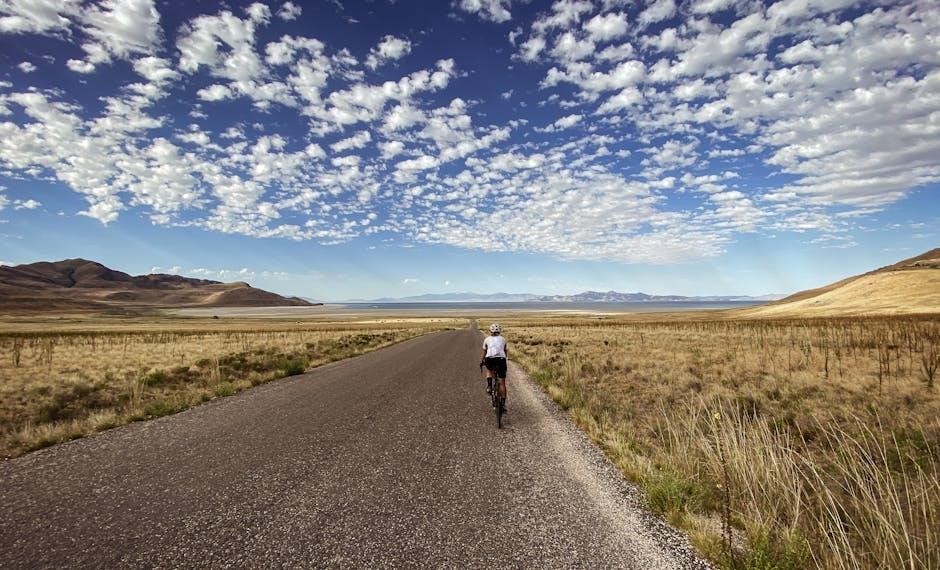
Discover iconic landscapes‚ from mountain passes to coastal highways‚ immersing yourself in America’s natural beauty. These trails cater to various skill levels‚ offering both challenging adventures and leisurely rides.
Planning is key; consider route selection and accommodation. Leverage resources to map your journey and ensure a smooth experience. Embrace the autonomy of a self-planned bike adventure‚ retaining control over your itinerary and pace‚ just as Adventure Cycling promotes.
Cost Considerations and Budgeting
Compare self-guided versus guided tour costs‚ accounting for hidden expenses like luggage transfer and unexpected changes‚ while seeking affordable lodging and food options.
Comparing Costs: Self-Guided vs. Guided Tours
Determining the most economical cycling adventure requires a careful comparison between self-guided and fully guided tours. Generally‚ self-guided trips present a lower upfront cost‚ primarily because you’re omitting the expense of a tour leader or guide’s salary and associated support. However‚ this doesn’t automatically equate to overall savings.
Guided tours often bundle numerous services – accommodation‚ luggage transfer‚ route planning‚ and sometimes even meals – into a single price. Self-guided tours typically require you to arrange these elements independently‚ potentially incurring higher costs if not meticulously planned. Consider the value of your time; the hours spent on logistics for a self-guided tour have an inherent cost.
Furthermore‚ guided tours offer a safety net‚ potentially reducing expenses related to unexpected issues like mechanical breakdowns or route deviations. Ultimately‚ the ‘cheaper’ option depends on your planning skills‚ comfort level with independent travel‚ and the level of support you desire.
Hidden Costs to Account For
Beyond the initial tour price‚ several hidden costs can inflate the budget for a self-guided cycling trip. Unexpected mechanical repairs are a common culprit; a flat tire or broken chain can disrupt your journey and require costly fixes. Route deviations‚ whether due to road closures or personal preference‚ may lead to unplanned expenses for accommodation or transportation.
Consider the cost of detailed maps‚ GPS device rentals‚ or data roaming charges for cycling apps. While luggage transfer services seem convenient‚ surcharges for oversized or oddly shaped bags can add up. Don’t underestimate the expense of frequent café stops or spontaneous detours to attractions.
Finally‚ factor in potential costs for emergency assistance‚ such as medical care or repatriation‚ and always have a contingency fund for unforeseen circumstances. Thorough budgeting is crucial for a financially stress-free adventure.
Finding Affordable Accommodation and Food Options
Budget-conscious cyclists have numerous options for affordable lodging and meals. Consider utilizing a mix of accommodation types – guesthouses‚ hostels‚ and campsites offer significantly lower rates than hotels. Booking in advance‚ especially during peak season‚ can secure better deals. Explore options slightly off the main tourist routes for reduced prices.
For food‚ embrace local markets and supermarkets to purchase picnic supplies‚ reducing reliance on expensive restaurants. Seek out “menu del dia” or lunch specials for affordable‚ authentic cuisine.
Cooking your own meals when possible‚ particularly if camping‚ drastically cuts food costs. Don’t hesitate to ask locals for recommendations on budget-friendly eateries – they often know the best hidden gems!