
Understanding the IRS Rules for Phone Expense Deductions
The IRS permits deductions for phone expenses if they serve a legitimate business purpose. You must prove the business use percentage, keep detailed records, and apply the correct allocation method. Over‑claiming can trigger audits, so accuracy is vital. Ensure compliance filing accurate forms!

Determining Business vs. Personal Use of Your Phone
To qualify for a deduction, you must separate business from personal usage. The IRS requires a clear, documented split, typically expressed as a percentage. Start by reviewing your call logs, text histories, and data usage reports for a full month. Identify all calls that directly support client work, marketing, or administrative tasks. Any personal calls—social chats, family contacts, or non‑business entertainment—must be excluded. The proportion of business usage is calculated by dividing total business minutes by total minutes logged. For example, if you logged 1,200 business minutes and 800 personal minutes in a month, your business use is 60 %. This percentage is then applied to the entire phone bill!!!! Keep a written record of how you arrived at the percentage, noting the date range, data sources, and any assumptions. The IRS may request this documentation during an audit, so maintain a clean, organized log that can be exported from your carrier or a third‑party tracking app. Consistency over time strengthens your position; if your usage pattern changes, update the logs accordingly. Accurate classification prevents over‑deduction and ensures you stay compliant with IRS guidelines. Documenting each expense with screenshots of billing statements and a clear narrative helps substantiate the deduction during any IRS review. Attach a summary sheet showing total phone cost, business percentage, and the deductible amount for your return properly now.

Calculating the Deductible Portion of Your Phone Bill
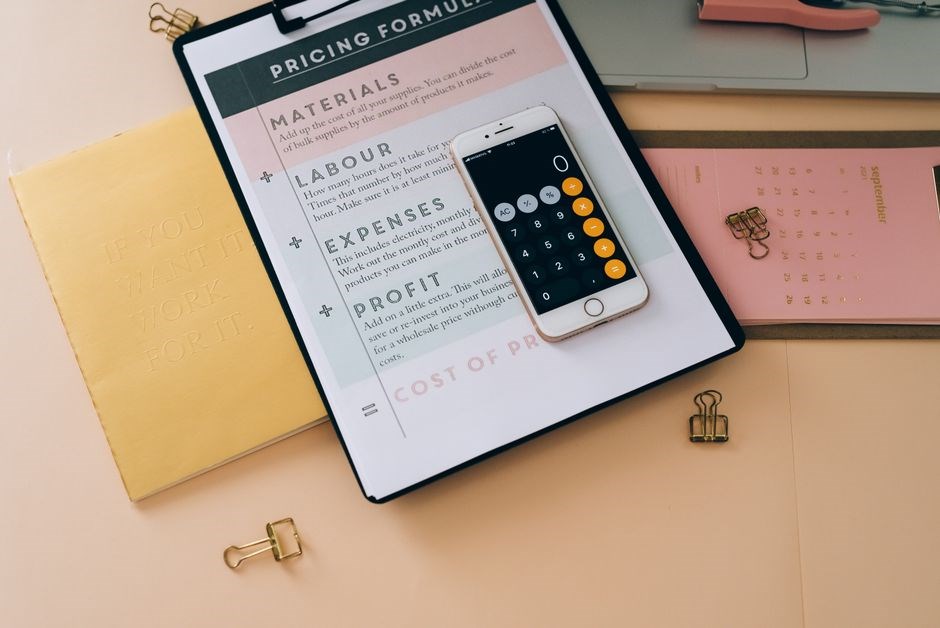
To calculate the deductible portion, multiply the total monthly bill by the business‑use percentage you’ve determined. For example, a $120 bill with 65 % business use yields $78 deductible. The IRS accepts both methods, but the actual‑cost approach can reduce the deduction if the service fee is high relative to data. Record the calculation in a spreadsheet and keep the original statement. When filing, enter the amount on Schedule C (Form 1040) line 26 or the appropriate business expense line. Round to the nearest cent and use consistent rounding rules each year to avoid discrepancies. If you use a flat‑rate plan, the deduction equals the flat fee times the business percentage. For instance, a $50 flat plan with 70 % business use gives $35. Keep a copy of the plan agreement and any carrier‑issued statements that verify the flat rate. The IRS may request proof of the flat‑rate arrangement, so preserve the contract or receipt. Review the deduction annually; changes in usage or plan structure can alter the deductible amount, and accurate recalculation ensures compliance and maximizes tax savings. Keep a log of data consumption each month and calculate the business portion. This level of detail demonstrates the deduction is reasonable and defensible. The IRS requires that the deduction be reasonable and not extravagant. Therefore, if business use is minimal, consider the standard mileage or standard deduction tables instead of itemizing phone expenses. For most small businesses, the phone expense deduction can be significant, especially with high‑volume client communication. Keep receipts, carrier statements, and a written explanation of how you derived the business percentage. The IRS will scrutinize any deduction that appears arbitrary or inflated. By maintaining meticulous records and following the calculation steps outlined above, you can confidently claim the phone expense deduction while staying compliant with IRS regulations. If you share a plan with a spouse or partner, allocate the shared portion based on each party’s business minutes, and document the split in the spreadsheet. Ensure accuracy.

Choosing the Right Method for Proportional Allocation
When allocating a phone bill, the IRS permits two main methods: the flat‑rate method and the actual‑cost method. The flat‑rate method applies a fixed percentage—often 30 % or 50 %—to the entire bill, simplifying record‑keeping but potentially misrepresenting true business use. The actual‑cost method tracks every call, message, and data session, then calculates the exact business portion of each charge. Choosing between them depends on several factors. First, consider call volume: high‑volume users benefit from the precision of the actual‑cost method, while low‑volume users may prefer the flat‑rate approach. Second, evaluate plan complexity: unlimited or flat‑fee plans are easier to handle with the flat‑rate method. Third, assess your record‑keeping capacity; detailed logs require time and tools. Fourth, audit risk: the actual‑cost method offers stronger documentation, reducing audit triggers. Fifth, compare potential deductions: if the actual‑cost method yields a higher deduction, the extra effort may be justified. Sixth, maintain consistency; switch methods only when usage or plans change significantly. Seventh, leverage carrier dashboards that export usage data to ease actual‑cost calculations. Eighth, align the method with your business model: service‑based firms that rely heavily on phone communication may need the actual‑cost method, whereas product‑based firms with minimal calls can use the flat‑rate method. Finally, consider professional advice: a CPA can help determine the most advantageous method for your situation. The objective is a deduction that accurately reflects business use while keeping records that satisfy IRS scrutiny. Documenting the allocation method and keeping a clear audit trail further strengthens the claim and record invoices daily

Keeping Accurate Records to Support Your Deduction
To substantiate a phone‑expense deduction, meticulous record‑keeping is mandatory. Start by archiving every monthly bill in a dedicated folder—digital PDFs or hard copies—so the total cost is always visible. Next, maintain a usage log that captures date, duration, and purpose of each call or data session. For business calls, note the client name, project, and a brief description; for personal calls, simply mark “personal.” If you use a smartphone app that tracks usage, export the data to a spreadsheet and cross‑reference it with the bill. Keep screenshots of any carrier‑provided usage statements that break down minutes and data usage per line item. For text‑only or data‑only charges, record the number of messages or data volume and the associated business context. When you opt for the actual‑cost method, attach a copy of the carrier’s itemized statement for each billing period. If you choose a flat‑rate method, document the rationale for the chosen percentage (e.g., 30 % business use) and keep a log of call counts to justify that percentage. Store all supporting documents in a secure, organized system—cloud storage with encryption or a physical binder—so you can retrieve them quickly if the IRS requests verification. Periodically review the records to ensure consistency and correct any discrepancies before filing. A well‑maintained record set not only supports the deduction but also protects against audit triggers and potential penalties. Additionally, record any business‑related data plan upgrades or changes in service tiers, noting the effective dates and reasons. Log any business‑specific apps or services that incur extra charges, such as cloud storage or conferencing tools, and attach receipts or invoices. For multi‑device households, keep a separate log for each device to isolate business usage. If you share a line with a spouse or partner, maintain a clear split of usage by phone number. Finally, set a quarterly reminder to reconcile your logs with the carrier’s statements, ensuring no gaps or mismatches remain. Consistent, detailed documentation is the cornerstone of a defensible deduction and gives you confidence during tax season and in the event of an audit.

Common Mistakes to Avoid When Claiming Phone Expenses
One of the most frequent errors is claiming the entire phone bill as a business expense. The IRS requires a precise prorating of usage; a blanket 100 % deduction invites scrutiny. The second common mistake is failing to maintain a contemporaneous usage log. Without daily entries that differentiate business from personal activity, the deduction can be disallowed. Many taxpayers also overlook the distinction between “actual cost” and “flat‑rate” methods. Mixing the two in the same return creates inconsistencies that audit teams flag. Misclassifying a personal line as a business line is a subtle yet serious mistake; the carrier’s statement must reflect the correct account number. Additionally, some business owners forget to document data‑plan upgrades tied to new projects. If a data plan is increased to support a client, the extra cost must be recorded and justified. Another common slip is neglecting to separate shared household usage. When a spouse or partner shares a line, the business portion must be isolated and documented. Finally, many people ignore the importance of reconciling the carrier’s monthly statement with the recorded log. A mismatch can raise red flags and lead to a denial of the deduction. By avoiding these mistakes—over‑claiming, poor record‑keeping, method confusion, misclassification, and failure to reconcile—you protect yourself from audit triggers and ensure a clean, defensible deduction. Remember that the IRS scrutinizes any deduction that appears inflated; always keep a clear, contemporaneous log and be prepared to present it during an audit. This diligence safeguards your claim and compliance. Stay diligent Record
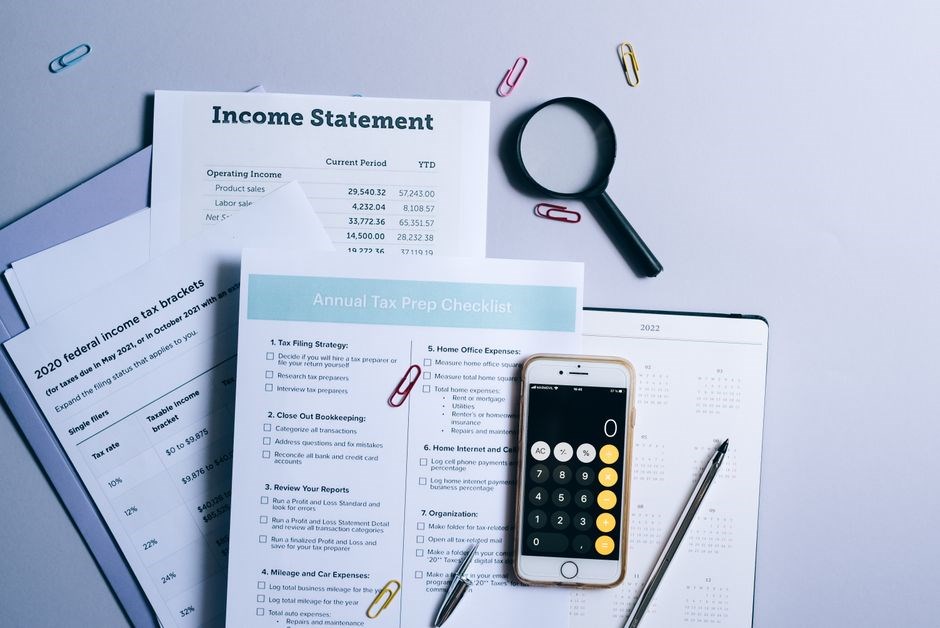
Case Studies: Small Business and Self-Employed Examples
Example 1: A freelance graphic designer uses a single smartphone for client communication, file transfers, and marketing. The device’s monthly bill is $70. By logging 18 business calls out of 30 total, the designer applies a 60 % business-use rate, deducting $42. The remaining $28 is personal and non‑deductible. The designer records each call in a spreadsheet, noting client name, purpose, and duration, and retains the carrier’s statement for audit support.
Example 2: A boutique consulting firm shares a dedicated office line costing $120 monthly. Using a call‑tracking app, the firm logs 75 % business minutes, yielding a deductible $90. Each call is tagged by project ID, client, and purpose. The firm exports the log to a PDF that matches the carrier’s invoice, ensuring audit readiness. This systematic approach prevents disputes over allocation.
Example 3: A real‑estate investor uses a separate mobile plan for property listings and client outreach. The plan costs $55 monthly. With 80 % business usage, the investor deducts $44. Logs detail property ID, contact date, and call reason. The investor also documents text and data usage tied to listing updates, adding them to the deduction calculation. All logs are stored in a cloud folder linked to the carrier’s invoice for audit purposes.
These examples illustrate how record‑keeping and accurate prorating enable deductions while minimizing audit risk daily!

Tax Filing Tips and Compliance Checklist
Keep a detailed log of business calls, text, and data usage. Attach the carrier bill and a prorated worksheet to your return. File Form 1040 Schedule C or 1120, and retain records for at least three years. Use a reliable app to automate tracking. now
CPA vs. DIY Approach for Phone Expense Deduction
Choosing between a certified public accountant and a do‑it‑yourself method hinges on complexity, cost, and confidence. A CPA brings expertise in IRS rules, helps navigate proportional allocation, and can audit‑proof your records. They’ll draft a detailed worksheet, recommend software, and ensure compliance with Form 1040 Schedule C or 1120. Their fee, typically $200–$500, may be offset by avoiding penalties and maximizing the deduction.
DIY, on the other hand, is attractive for solo entrepreneurs with straightforward usage. Using free or low‑cost apps, you can log calls, texts, and data, then apply the 30% business‑use rule or a more precise percentage. You’ll need to maintain the carrier statement, a prorated worksheet, and a clear narrative for the IRS. Mistakes—such as mis‑calculating the business portion or failing to keep logs—can trigger a 5% penalty or a full audit.
Ultimately, the decision depends on your comfort with tax law, the volume of phone activity, and the risk tolerance. If you’re uncertain, a CPA’s guidance may save time and protect against costly errors.
When preparing your deduction, consider using a spreadsheet to track minutes per call and data usage. Multiply the business percentage by the total bill to arrive at the deductible amount. Keep the spreadsheet for at least three years in case the IRS requests evidence. This simple approach reduces audit risk and ensures you capture all eligible expense

Tracking Usage with Call Logs and Apps
To substantiate the business portion of your phone bill, maintain a daily log of calls, texts, and data usage. Most carriers provide a downloadable statement, but third‑party apps can offer more granular detail. Apps such as “TrueBill,” “My Data Manager,” or “Call Log Exporter” capture timestamps, duration, and contact type. Export the data to a spreadsheet and categorize each entry as “Business” or “Personal.” For example, a 15‑minute conference call with a client counts as 100 % business, while a 5‑minute personal chat is excluded. Sum the business minutes and divide by total minutes to calculate the percentage of business use. Apply this percentage to the total monthly bill to determine the deductible amount. Keep the spreadsheet, exported logs, and a brief narrative explaining the methodology in case of an audit. The IRS requires that the deduction be “reasonable, necessary, and directly related to your trade or business.” Proper documentation reduces the risk of a 5 % penalty or a full audit. Consistency is key; update the log each day and reconcile it with the carrier statement at month‑end. This systematic approach ensures accuracy and compliance while maximizing your deduction. Additionally, many smartphones now include built‑in usage trackers that separate data consumption by app, allowing you to attribute a portion of your data plan to business activities such as email, cloud storage, or video conferencing. Recording these details in a dedicated column helps justify the allocation during a review. Finally, keep a monthly summary sheet that lists the total bill, the calculated business percentage, and the resulting deductible amount. Attach this sheet to your tax return or retain it in your records for at least three years, as the IRS may request proof within that period.
Suppose a self‑employed consultant receives a $120 monthly phone bill. After reviewing call logs, the consultant determines that 30 % of all minutes were spent on client calls, meetings, and business‑related texting. The IRS allows you to deduct the business‑use portion, so the deductible amount is 0;30 × $120 = $36.00. When filing, enter $36.00 on Schedule C, line 7 (Other expenses) or the appropriate line for “Cell phone.” Attach a brief statement explaining the 30 % calculation and keep the call‑log spreadsheet, carrier statement, and any app exports as supporting documentation. If the audit team requests proof, you can provide the exported logs and the spreadsheet that shows the 30 % split. This example illustrates the importance of accurate record‑keeping and demonstrates how a simple percentage can translate into a tangible tax benefit. Consistency in applying the same method each month ensures compliance and protects against potential penalties.
Many carriers now provide downloadable usage reports that list every call, SMS, and data session with timestamps and durations. Exporting these reports to CSV format allows you to import them into spreadsheet software where you can filter by contact type or keyword. For instance, you can flag entries containing client names or project codes. Mobile apps such as “TrueBill,” “My Data Manager,” or “Call Log Exporter” can automatically tag business calls and sync with cloud storage for easy retrieval. Recording the date, purpose, and duration of each business activity not only satisfies IRS documentation requirements but also helps you identify patterns that may justify a higher business‑use percentage. Use loggers for real‑time monitoring and set monthly checkpoints to adjust percentages! Maintain a folder for each client’s data to simplify audits and support compliance. Track usage trends weekly to refine your business‑use ratio Track in.!OK
Comparing Flat-Rate vs. Actual Cost Methods
When deducting a cell phone, taxpayers can choose between a flat‑rate deduction or prorating the actual bill. The flat‑rate method offers simplicity: the IRS sets a standard monthly amount (e.g., $10 for a basic plan) that can be claimed regardless of the true cost. This is ideal for small businesses or freelancers who want a quick, audit‑friendly approach. However, the flat amount may under‑represent the true expense if the phone bill exceeds the standard, limiting potential savings.
The actual‑cost method requires you to calculate the exact business‑use percentage of your bill. You must maintain detailed records—carrier statements, call logs, and usage reports—to prove the allocation. While this method can yield a larger deduction when your real bill is higher than the flat rate, it also demands meticulous record‑keeping and can attract more scrutiny from the IRS. Choosing the right method depends on your bill size, record‑keeping capacity, and risk tolerance.
For instance, a freelance graphic designer who spends 70 % of monthly minutes on client projects can claim 70 % of the phone bill. If the bill is $80, the deductible portion is $56.00. The IRS accepts a simple spreadsheet that lists total minutes, business minutes, and the resulting percentage. Attach the spreadsheet to your return, and keep a copy in case of audit. This method balances simplicity with compliance, ensuring you capture the maximum allowable deduction while staying within IRS guidelines.!!
To qualify for a deduction, the phone must be used primarily for business. The IRS requires a clear business‑use percentage, accurate records, and proper allocation. Over‑claiming can trigger audits, so keep detailed logs and attach supporting documents to your return. This protects your deduction and keeps you compliant with IRS regulations. and data use.!!!!!
Remember, the IRS scrutinizes mixed‑use claims. If you can’t prove the business percentage, the deduction may be disallowed. Keep a log of each call, noting client name, purpose, and duration. Also, document any data‑intensive tasks like file transfers!!! Purpose noted.!!!!!!!!!!
Common Audit Triggers for Phone Expense Claims
Taxpayers often overlook subtle red flags that can prompt an IRS audit when claiming phone expenses. The most frequent triggers include a high business‑use percentage that lacks supporting documentation, inconsistent usage logs, and a sudden spike in bill amounts without a clear business rationale. The IRS scrutinizes claims where the business‑use ratio exceeds 50% unless the taxpayer can demonstrate that the phone is essential for daily operations. Additionally, failure to maintain a detailed call log—listing client names, dates, and purpose—can raise suspicion. When the deductible portion is calculated using a flat‑rate method, the IRS may request itemized data usage statements to verify the allocation. Over‑reporting data plan costs, especially for high‑speed plans that are rarely used for business, is another common trigger. Finally, claiming the same phone for both personal and business use without a clear separation of expenses can lead to a disallowed deduction. Maintaining accurate records, consistent usage data, and clear business justification are essential to avoid audit triggers. The IRS may also scrutinize the consistency of the claimed business use over multiple years; abrupt changes in the percentage can trigger a deeper review. If the taxpayer cannot provide supporting documentation—such as detailed call logs, invoices, or a written business plan—the deduction is likely to be disallowed. Maintaining a clear, verifiable record is essential to withstand audit scrutiny
Real Estate Investor Phone Expense Deduction Scenario
For a real‑estate investor, a mobile phone often becomes the primary conduit for property listings, tenant communications, and market research. Suppose the investor’s monthly bill is £350, and 70 % of calls are dedicated to property management, client outreach, and lease negotiations. The IRS allows a proportional deduction of the business portion, so the investor can write off £245 per month. To substantiate this claim, the investor should keep a detailed log that records the date, duration, and purpose of each call, along with the client or property identifier. Additionally, the investor must retain the phone’s service contract and any data usage statements that demonstrate the business‑use percentage. When filing, the deduction is entered on Schedule C (Form 1040) under “Other expenses” as “Cell phone and internet.” If the investor upgrades to a higher‑speed plan for virtual tours or video conferencing, the new plan’s cost should be prorated against the actual business usage. Failure to provide the required documentation can trigger an audit, especially if the business‑use percentage appears inflated. Therefore, meticulous record‑keeping and consistent usage tracking are essential for a compliant deduction. Maintaining a separate phone line for business, storing monthly invoices, using a dedicated expense tracking app not only streamlines the deduction process but irrefutable evidence during an audit, thereby reducing the likelihood of penalties or disallowed expenses, and daily compliance.!! and daily.!!