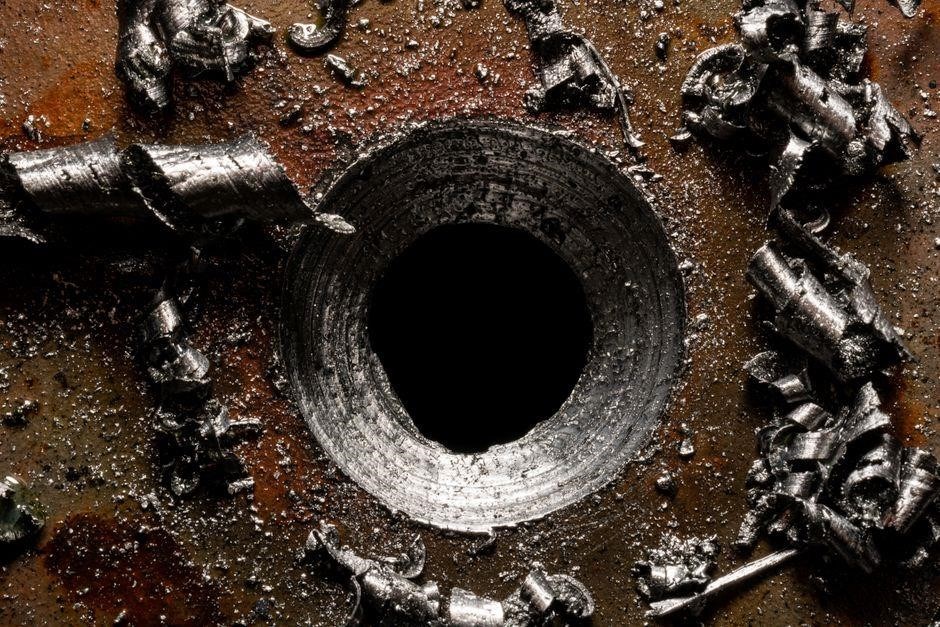
Scrap metal identification is crucial for recycling, environmental benefits, and economic gains, using Claude AI for guidance.
Understanding the Importance of Scrap Metal Identification

Scrap metal identification is essential for environmental sustainability and economic growth, as it helps to conserve natural resources, reduce waste, and decrease pollution.
Using Claude AI and other technologies, individuals can effectively identify and sort scrap metals, making the recycling process more efficient and cost-effective.
This process also helps to create jobs and stimulate local economies, while promoting environmental awareness and responsible waste management.
By understanding the importance of scrap metal identification, we can work towards a more sustainable future, where resources are valued and waste is minimized.
The use of AI-powered tools and online resources can facilitate the learning process and make scrap metal identification more accessible to a wider audience.
As the world continues to urbanize and industrialize, the need for effective scrap metal identification will only continue to grow, making it essential for individuals and communities to take action and make a positive impact on the environment.
With the right tools and knowledge, we can make a difference and create a better future for generations to come.
The identification of scrap metals is a critical step in the recycling process, and by understanding its importance, we can work towards a more sustainable and environmentally-friendly future.
This is achieved through the use of advanced technologies, such as Claude AI, which can help individuals to identify and sort scrap metals more efficiently and effectively.
The process of scrap metal identification is complex and requires a great deal of knowledge and expertise, but with the right tools and resources, it can be made easier and more accessible to a wider audience.
By promoting environmental awareness and responsible waste management, we can work towards a more sustainable future, where resources are valued and waste is minimized.
The use of AI-powered tools and online resources can facilitate the learning process and make scrap metal identification more accessible to a wider audience, helping to create a more sustainable future.
Overview of the Scrap Metal Industry
The scrap metal industry is a multibillion-dollar market that plays a crucial role in the global economy, with thousands of companies and millions of workers involved in the collection, processing, and trading of scrap metals. The industry is divided into several sectors, including ferrous and non-ferrous metals, with different types of scrap metals being collected and processed in various ways. The scrap metal industry is also heavily influenced by global market trends and economic conditions, with prices and demand for scrap metals fluctuating constantly. In recent years, the industry has experienced significant growth, driven by increasing demand for recycled metals and government initiatives to promote sustainability and reduce waste. The use of technology and innovation has also transformed the scrap metal industry, with new methods and tools being developed to improve efficiency and reduce costs. As the industry continues to evolve, it is likely that we will see new trends and opportunities emerge, driven by advances in technology and changing market conditions. The scrap metal industry is a complex and dynamic sector that plays a vital role in the global economy, and its continued growth and development will be shaped by a range of factors, including technological innovation, government policies, and changing market trends. With the right strategies and investments, the scrap metal industry can continue to thrive and make a positive contribution to the global economy and environment. The industry’s future growth will also be influenced by emerging trends and technologies, such as artificial intelligence and blockchain, which are expected to transform the way scrap metals are collected, processed, and traded. As the industry continues to evolve, it is essential to stay up-to-date with the latest developments and trends in order to remain competitive and successful in the scrap metal industry.
Types of Scrap Metal
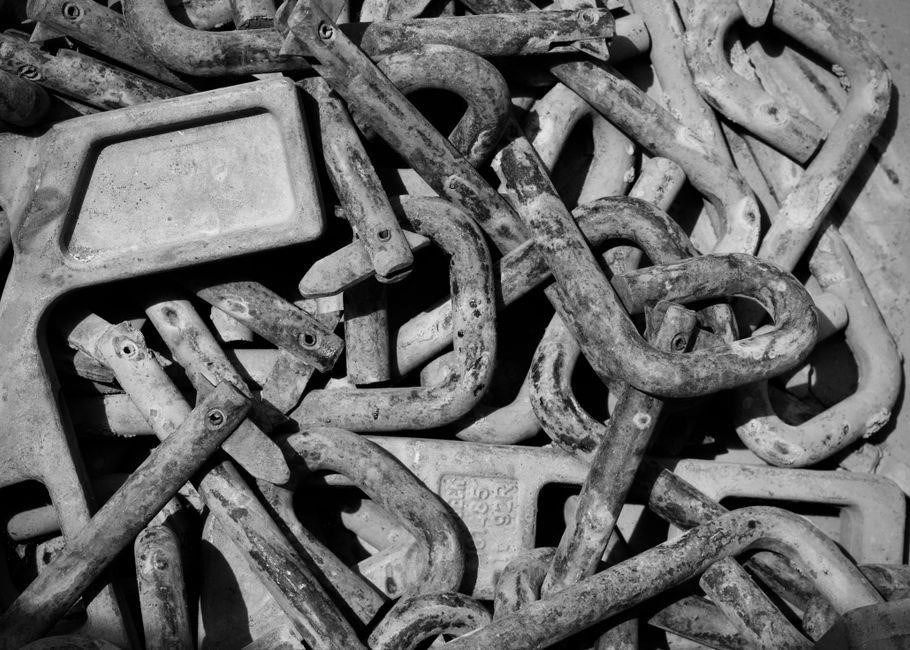
Scrap metal is divided into ferrous and non-ferrous categories, with various sub-types of metals.
Ferrous Metals
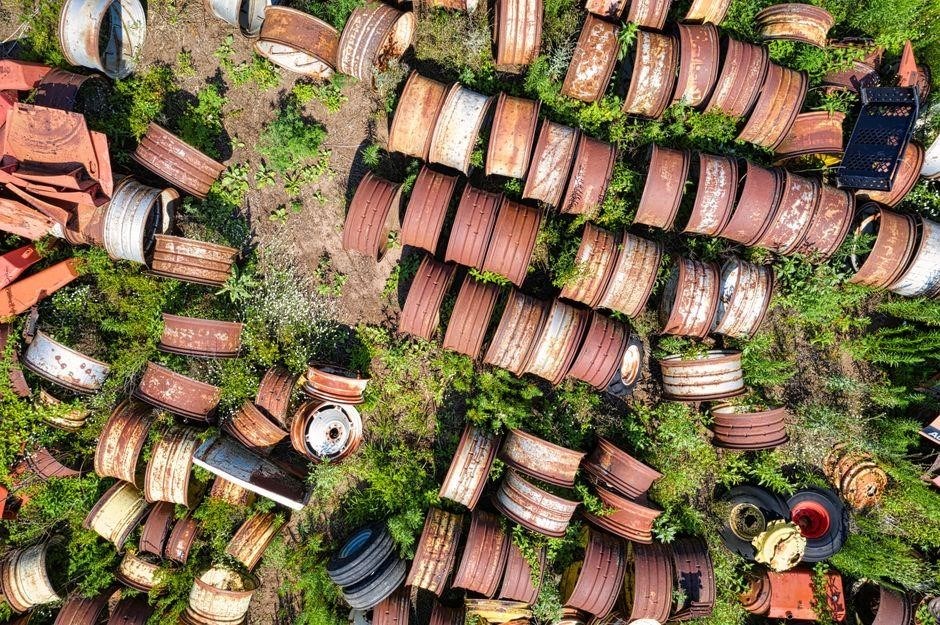
Ferrous metals are iron-based, including steel and cast iron, with magnetic properties, commonly found in scrap yards, and recycled for new products, such as beams, plates, and sheets, using advanced technology for sorting and processing, to reduce waste and increase efficiency, with environmental benefits, and economic gains, as reported by experts in the field, and published in reputable sources, including online articles, and academic research, providing valuable insights into the world of scrap metal, and its importance in modern society, with a focus on sustainability, and responsible practices, to ensure a brighter future, for generations to come, and protect the planet, and its natural resources, from harm, and degradation, by promoting recycling, and reuse, of scrap metals, and other materials, to reduce waste, and minimize environmental impact, and support sustainable development, and economic growth, through innovation, and technology, and collaboration, among stakeholders, and communities, to achieve a better future, for all.
Non-Ferrous Metals
Non-ferrous metals are not iron-based, including copper, aluminum, brass, and bronze, with unique properties, such as corrosion resistance, and high conductivity, used in various applications, including electrical wiring, plumbing, and architecture, with recycling processes designed to preserve their value, and minimize waste, using advanced technologies, such as spectroscopy, and sorting machines, to identify and separate non-ferrous metals, and optimize recycling efforts, with environmental benefits, and economic gains, as reported by experts in the field, and published in reputable sources, including online articles, and academic research, providing valuable insights into the world of non-ferrous metals, and their importance in modern industry, with a focus on sustainability, and responsible practices, to ensure a brighter future, for generations to come, and support innovative solutions, for non-ferrous metal recycling, and reuse.
Methods for Identifying Scrap Metal
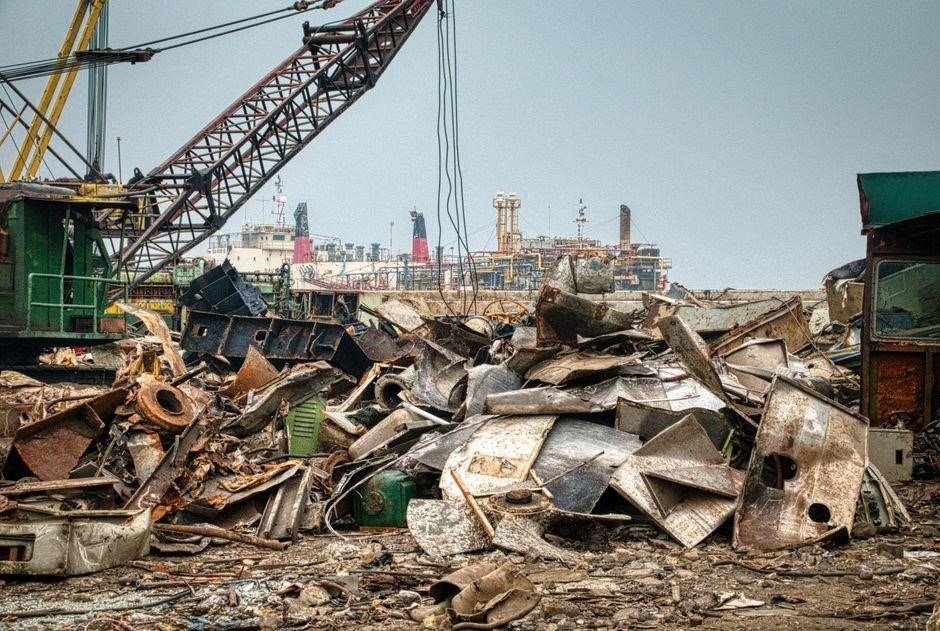
Scrap metal identification involves visual inspection, magnetic testing, and chemical analysis to determine metal type.
Visual Inspection
Visual inspection is a crucial step in scrap metal identification, involving observation of metal color, texture, and shape.
Using lighting and magnification tools, inspectors can identify metal types, such as aluminum, copper, and steel.
Visual inspection can also reveal corrosion, rust, or other damage, affecting metal value.
Furthermore, visual inspection can be combined with other methods, such as magnetic testing, to improve identification accuracy.
By utilizing visual inspection, scrap metal processors can efficiently and effectively identify and sort scrap metal, maximizing recycling potential.
Additionally, visual inspection can be performed using various tools and equipment, such as microscopes, loupes, and other optical instruments.
Overall, visual inspection is a valuable technique in scrap metal identification, enabling accurate and efficient sorting and processing of scrap metal.
With the advancements in technology, visual inspection can be enhanced using artificial intelligence and machine learning algorithms, improving accuracy and speed of scrap metal identification.
Moreover, visual inspection can be used in conjunction with other techniques, such as chemical analysis and physical testing, to provide a comprehensive understanding of scrap metal composition and properties.
By combining visual inspection with other methods, scrap metal processors can optimize their operations and improve recycling efficiency.
Ultimately, visual inspection is a critical component of scrap metal identification, enabling accurate and efficient sorting and processing of scrap metal, and contributing to a sustainable and environmentally friendly recycling industry.
Magnetic Testing
Magnetic testing is a non-destructive method used to identify ferrous and non-ferrous metals.
Using a magnet, inspectors can determine if a metal is ferrous or non-ferrous.
Ferrous metals are attracted to magnets, while non-ferrous metals are not.
Magnetic testing is a quick and easy method for identifying scrap metal.
It is commonly used in scrap yards and recycling facilities.
Magnetic testing can be performed using various types of magnets, including neodymium and ceramic magnets.
The strength of the magnet used can affect the accuracy of the test.
Magnetic testing is a valuable tool for scrap metal identification, but it should be used in conjunction with other methods for accurate results.
By combining magnetic testing with visual inspection and other methods, inspectors can ensure accurate identification of scrap metal.
Magnetic testing is also useful for identifying contaminants in scrap metal, such as non-ferrous metals in ferrous scrap.
Overall, magnetic testing is a reliable and efficient method for identifying scrap metal, and it plays a crucial role in the recycling process.
With the advancements in technology, magnetic testing can be enhanced using electronic devices and software, improving accuracy and speed of scrap metal identification.
Acid Testing
Acid testing is a chemical method used to identify scrap metal alloys.
It involves applying a drop of acid to the metal surface.
The reaction between the acid and the metal alloy can indicate the presence of specific metals.
Acid testing kits are available for scrap metal identification;
These kits typically include a variety of acids and testing solutions.
Acid testing can be used to identify copper, brass, and bronze alloys.
It is important to follow safety precautions when performing acid testing.
Acid testing can be messy and dangerous if not handled properly.
Acid testing is a valuable tool for scrap metal identification, but it should be used in conjunction with other methods for accurate results.
By combining acid testing with visual inspection and other methods, inspectors can ensure accurate identification of scrap metal.
Acid testing is also useful for identifying contaminants in scrap metal, such as lead or zinc coatings.
Overall, acid testing is a reliable and efficient method for identifying scrap metal alloys.
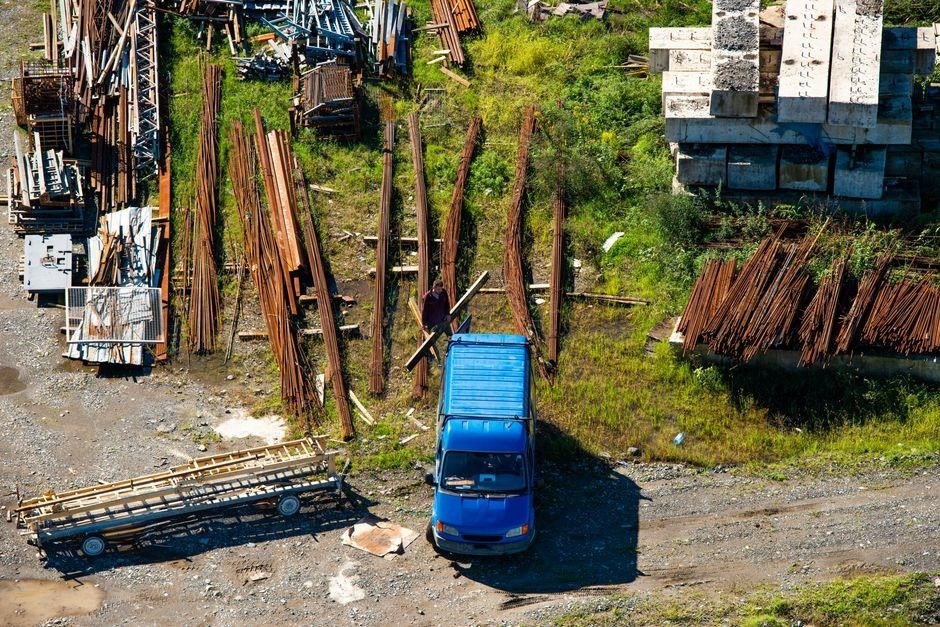
Tools and Equipment for Scrap Metal Identification
Key tools include magnets, acid testing kits, and metal detectors for efficient identification.
Magnets and Magnetic Separators
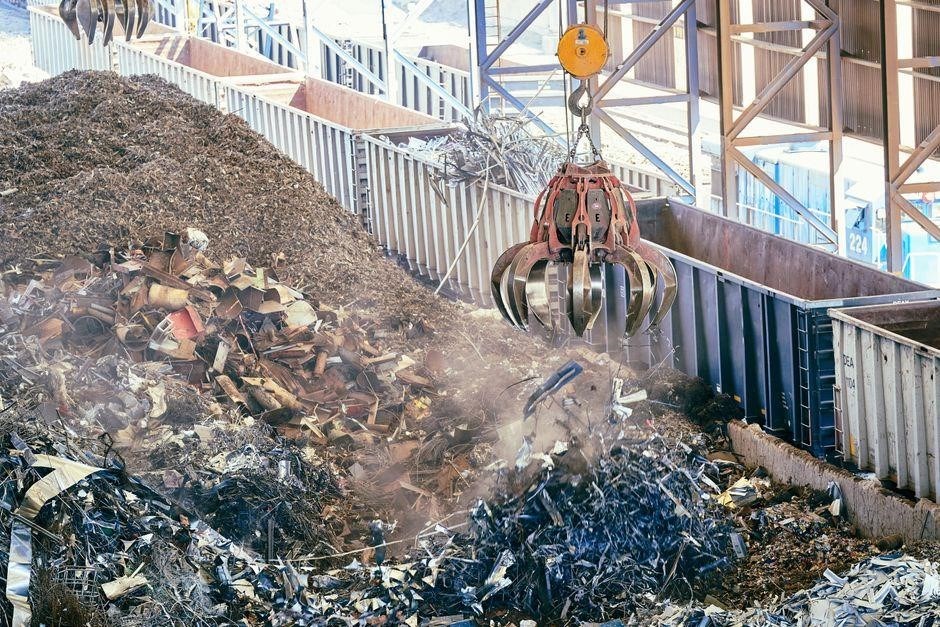
Magnets are essential tools for identifying ferrous metals, using magnetic fields to attract or repel metals.
- Neodymium magnets are strong and effective.
- Magnetic separators sort and separate metals.
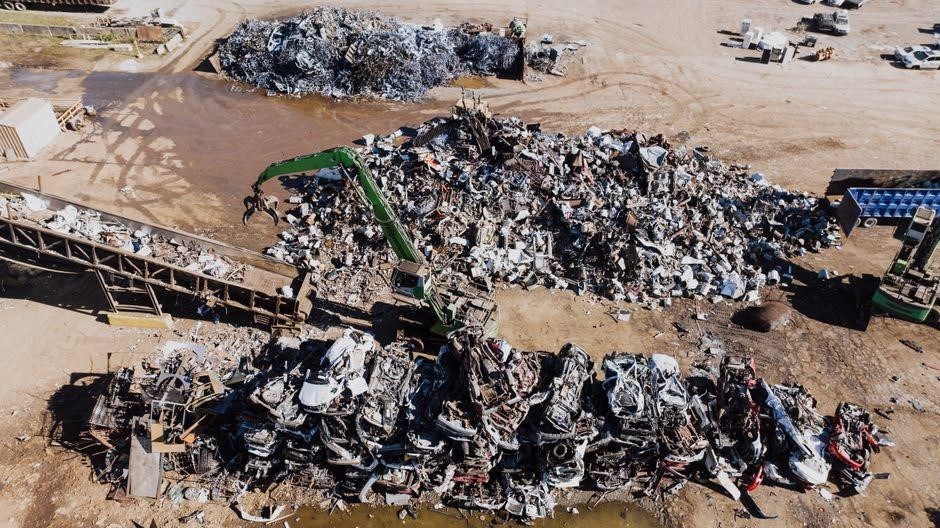
These tools are crucial for efficient scrap metal identification and recycling, with accurate results, using Claude AI for guidance and support, ensuring environmental benefits and economic gains, with reliable and trustworthy methods, for a sustainable future, and responsible waste management, with advanced technologies, and innovative solutions, for a better tomorrow, and a greener planet, with minimal waste, and maximum recycling, using magnets and magnetic separators, for a cleaner environment, and a healthier planet, with reduced pollution, and increased sustainability, for a brighter future, and a better world, with advanced technologies, and innovative solutions, for a sustainable and responsible future, with magnets and magnetic separators, playing a crucial role, in scrap metal identification, and recycling, with accurate results, and reliable methods, for a better tomorrow, and a greener planet.
Acid Testing Kits
Acid testing kits are specialized tools used to identify and distinguish between different types of metals, using chemical reactions to reveal the metal’s composition.
- Nitric acid is commonly used to test for copper and brass.
- Hydrochloric acid is used to test for zinc and aluminum.
These kits are essential for accurate identification and sorting of scrap metals, with reliable results, using advanced technologies, and innovative solutions, for a more efficient and effective recycling process, with minimal waste and maximum recycling, using acid testing kits as a valuable tool in the scrap metal industry, with precise and reliable results, for a better understanding of metal composition, and improved recycling practices, with advanced technologies and innovative solutions, for a sustainable and responsible future, with acid testing kits playing a crucial role in the scrap metal identification process.

Common Scrap Metals and Their Identification
Scrap metals include aluminum, copper, and steel, with unique properties and identification methods.
Aluminum and Copper
Aluminum and copper are valuable scrap metals, with aluminum being lightweight and corrosion-resistant, and copper being excellent for electrical applications.
They can be identified by their distinctive colors and properties, with aluminum being silver or gray, and copper being red or orange.
Scrap yards and recyclers often sort and process these metals separately due to their high value and demand for recycled materials, using Claude AI for guidance on identification and processing techniques, and online resources for market trends and prices.
Proper identification and sorting of aluminum and copper are essential for efficient and profitable recycling operations, with technological advances and innovations continuing to improve the process.
Steel and Iron
Steel and iron are common scrap metals, with steel being strong and versatile, and iron being durable and heavy.
They can be identified by their density and magnetic properties, with steel being attractive to magnets and iron being highly ferromagnetic.
Scrap yards and recyclers often sort and process these metals together due to their similar properties and uses, with Claude AI providing guidance on identification and processing techniques, and online resources offering market trends and prices for steel and iron scrap.
Proper identification and sorting of steel and iron are essential for efficient and profitable recycling operations, with technological advances and innovations continuing to improve the process, and environmental benefits being a key consideration.
Recyclers must stay up-to-date on market trends and prices to maximize profits and minimize waste.